A logo is often the first brand investment. If the approach is wrong, you'll wince every time you see it for months. Here's what goes into a good process.
Phase 1 — Discovery (day 1–2)
Short conversation: what do you sell, to whom, who are the competitors, what feeling should the logo trigger, where will it appear (web only? print? merch?).
Phase 2 — Research (day 2–4)
Competitor analysis: what visual direction is off-limits (too close to a competitor), what symbols are industry clichés, where authenticity is possible. Moodboard: 20–30 reference logos consolidated into one direction.
Phase 3 — Sketching (day 4–6)
Pencil sketches on paper, usually 30–50 variations. The bulk of ideas die here — much cheaper than in Illustrator.
Phase 4 — Vectorization (day 6–8)
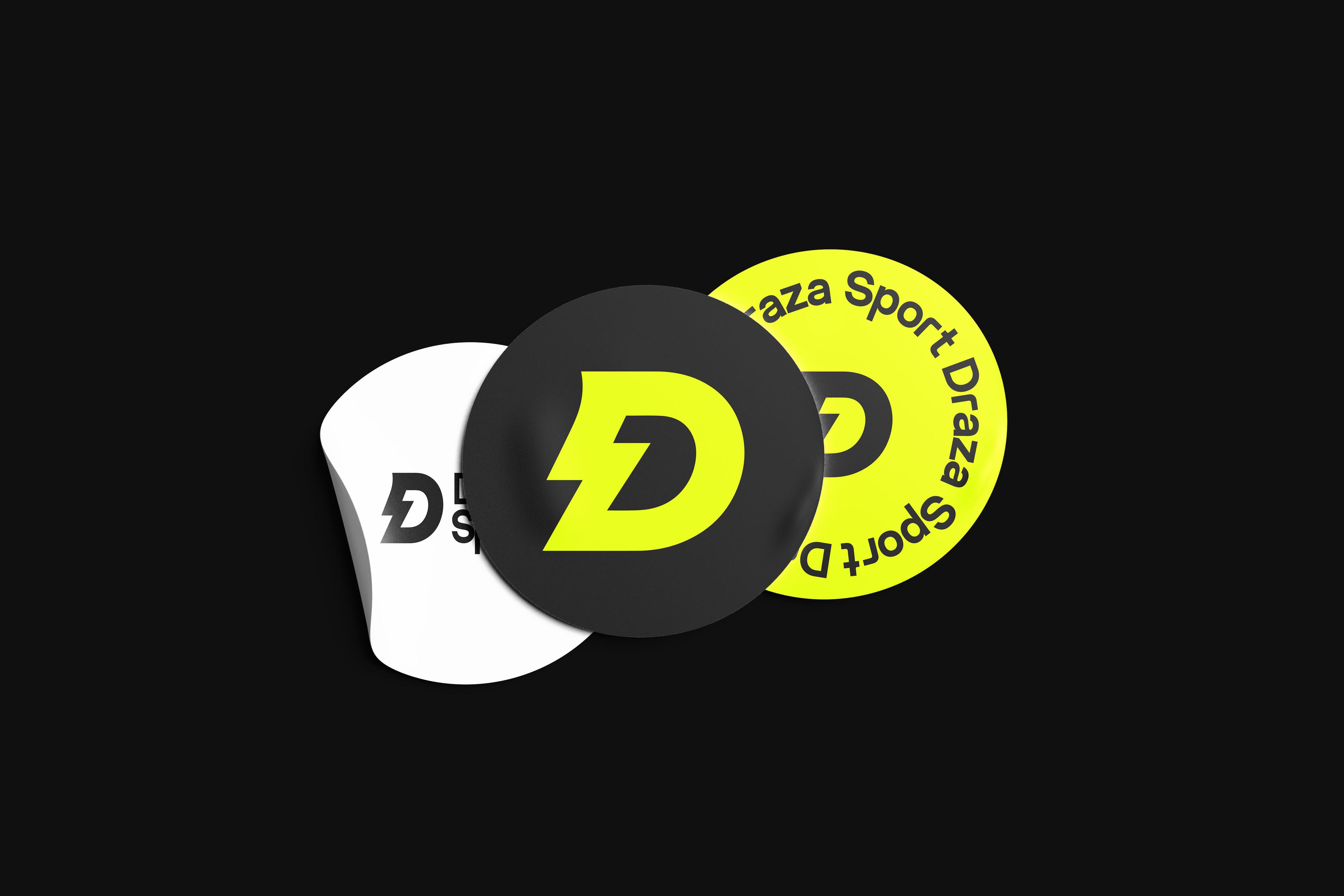
The 3–5 strongest sketches move to vector (Illustrator or Figma). Tested at small scale, on dark backgrounds, in black-and-white — the logo has to work everywhere.
Phase 5 — Presentation & revisions (day 8–10)
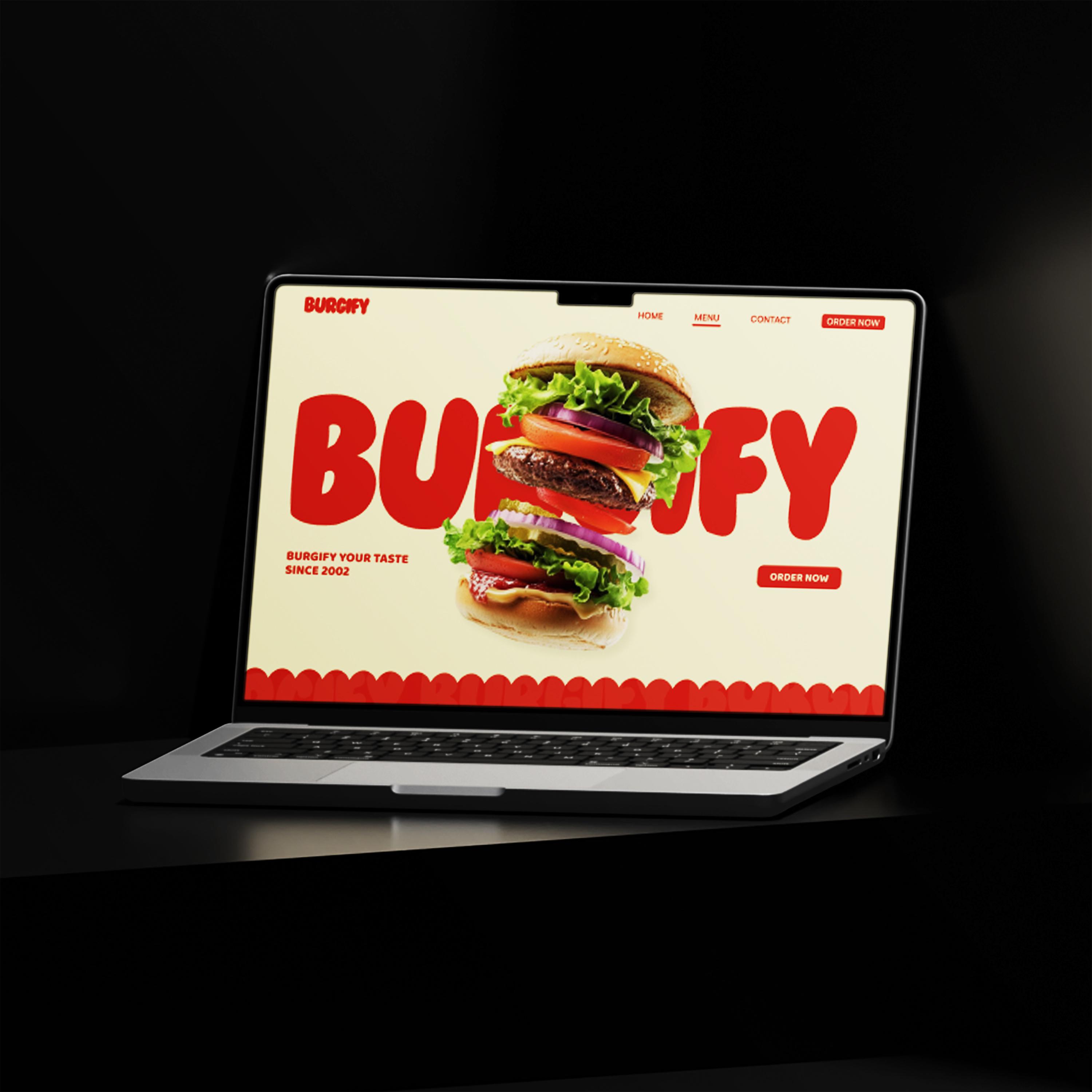
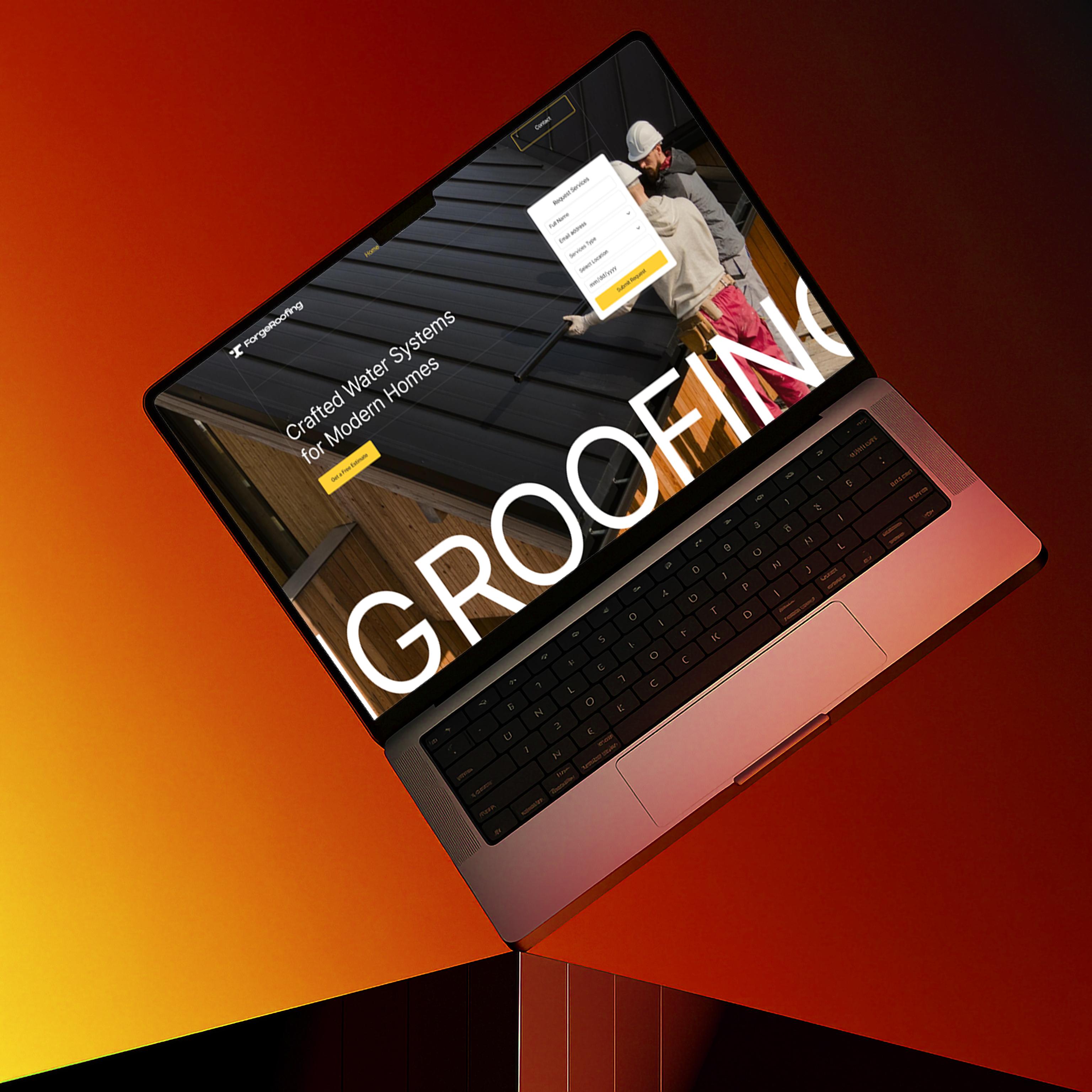
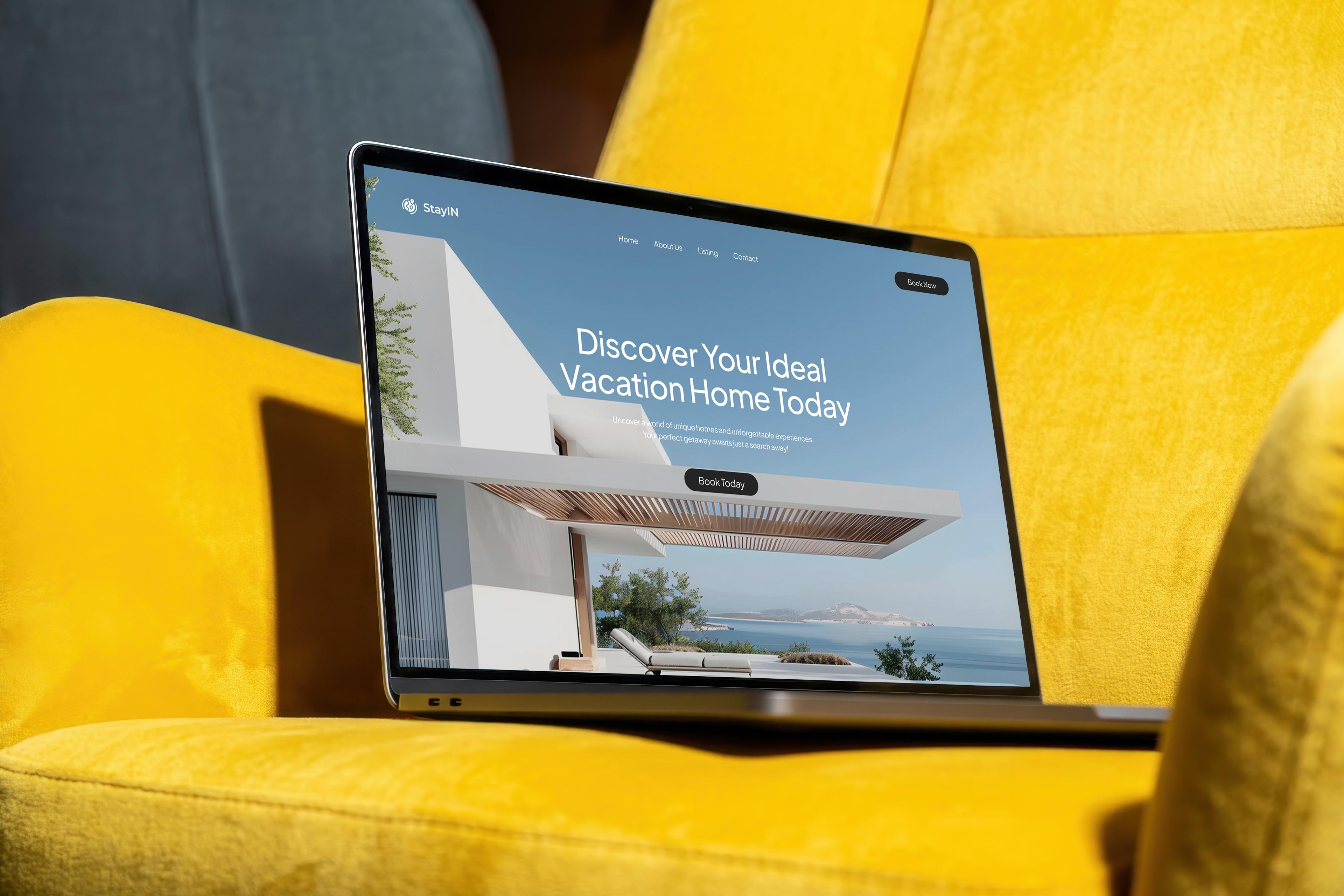
3 final concepts presented in context (website, business card, t-shirt). Client picks a direction, 1–2 revision rounds, then finalize.
Phase 6 — Deliverables
- Vector files (SVG, EPS, AI, PDF)
- Raster in multiple resolutions (PNG 512 / 1024 / 2048)
- Versions: full color, monochrome, negative, favicon
- Basic brand guidelines: colors, typography, do/don't
- Full commercial copyright
How to spot a serious logo designer
- Asks questions before sketching
- Portfolio shows varied brands (not 10 similar ones)
- Explains their choices, not "I liked this font"
- Delivers vectors, not just PNG
- Accepts revisions but not infinite — process is clear
Conclusion
A logo that lasts 5 years costs more than one that lasts 5 months — but it's 10x more valuable. Invest in process, not speed.